Family & parent visas · Subclass 870
Sponsored Parent (Temporary) Visa — Subclass 870
The 870 answers a different question from every other parent visa: not 'how does my parent become a permanent resident?' but 'how do we get years together in Australia, starting soon?' Grants of 3 or 5 years, up to 10 years total, typically processed in months rather than decades — with no Balance of Family test, but also no pathway to permanent residence.
By Keshab Chapagain, registered migration agent (MARN 1576536) since 2015 · WIDEN, Sydney · Reviewed August 2026
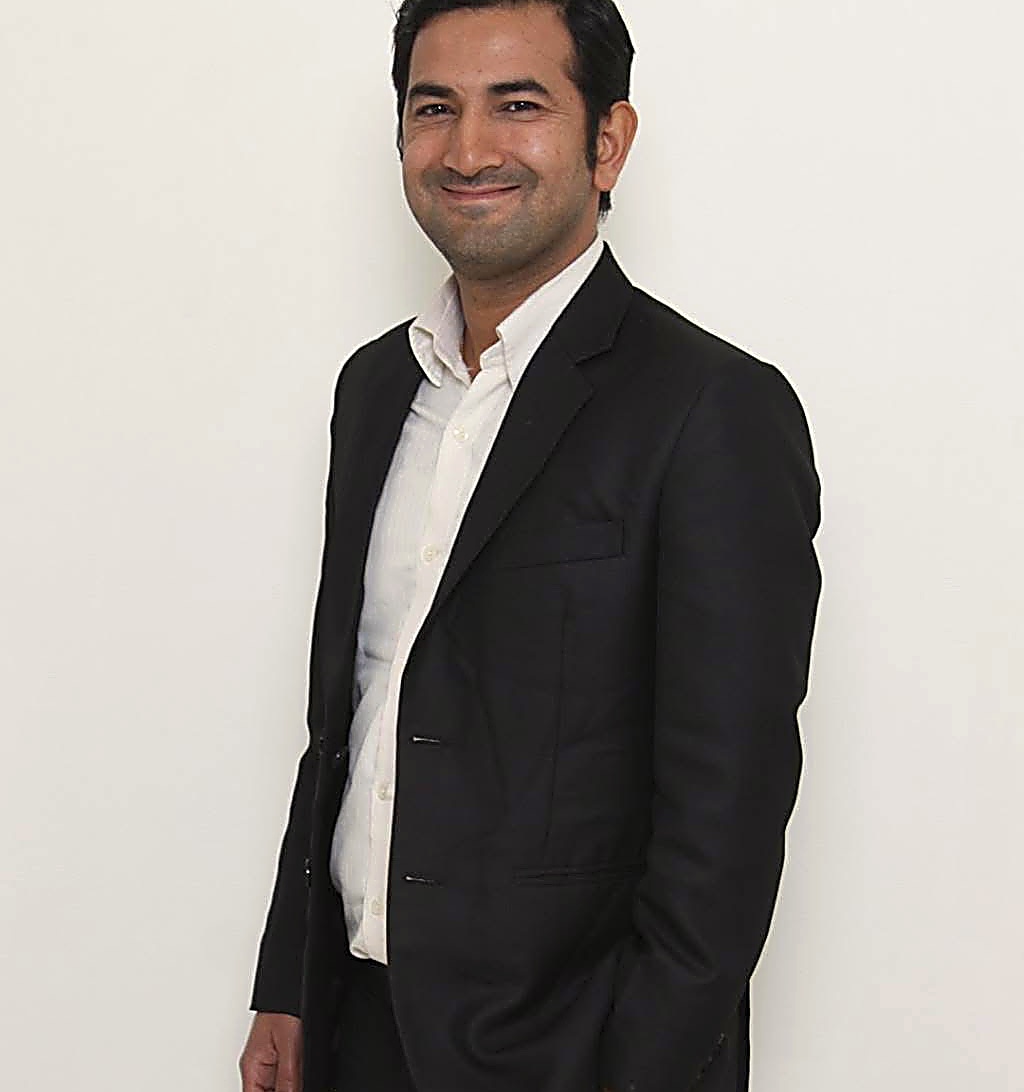 Keshab Chapagain · MARN 1576536 · Registered since 2015
 - Stay
- 3 or 5 years per grant
- Ceiling
- 10 years total
- Sponsor income
- ~$115,000 (at last review)
- Balance of Family
- Not required
- Work rights
- None
- Leads to PR
- No
What the 870 is for — and what it is not
The Sponsored Parent (Temporary) visa exists for families for whom the permanent parent programme doesn't work — because the contributory cost is out of reach, because the Balance of Family test fails, or because a 12–30 year queue is simply not an answer for an ageing parent. It trades permanence for speed: long continuous stays, typically processed in months, with a hard 10-year lifetime ceiling and no route to permanent residence at the end.
Be clear-eyed about the ending: after 10 years of 870 grants the pathway is exhausted. Families for whom permanent settlement is the real goal should treat the 870 as the companion to a queued permanent application, not a substitute for one.
The two-step process: sponsor first, visa second
- Step 1 — Sponsored Parent Sponsor approval. The child applies and must show citizenship/permanent residence, usual residence in Australia (typically 4 years), household income at the threshold, and character (police checks). Only once this approval is granted can step 2 begin.
- Step 2 — the parent's visa application. Lodged within the window after sponsor approval, choosing the 3-year or 5-year grant. Health insurance arrangements, health examinations and character checks apply to the parent; there is no Balance of Family test and no Assurance of Support bond.
The sequencing is mandatory — a parent's application without an approved sponsor fails at the threshold. Build the timeline around sponsor approval first.
The sponsor requirements — where 870 plans succeed or fail
The binding constraint for most families is the household income threshold — around AUD $115,000 at last review (verify the current figure). Depending on configuration, the income can be the sponsor's alone or combined with a partner or, in some arrangements, another sibling — which is often the practical fix where one child's income falls short. The sponsor also takes on obligations, including liability for certain public health debts the parent incurs, so the commitment deserves the same deliberate treatment as an Assurance of Support.
Conditions and true costs
- No work rights — the parent cannot work in Australia on the 870.
- Mandatory health insurance for the entire stay — for an older parent across 3–5 year grants this is a substantial recurring cost; price it before committing.
- No Medicare through this visa (reciprocal arrangements aside) — the insurance is not a formality.
- Government charges — around AUD $5,000 for a 5-year grant at last review (less for 3-year), with no second instalment. Verify current rates.
- Renewal is not automatic — subsequent grants require the requirements to be met again at that time, within the 10-year ceiling.
The standard strategy: 870 now, 143 in the queue
For families who can fund the contributory pathway and pass the Balance of Family test, the well-worn structure is both at once: lodge the 143 to start the ~12–14 year clock on permanent residence, and use 870 grants (or long visitor visas) for actual time together in the meantime. The applications don't interfere with each other. The design questions are practical — which grant lengths, where the parent should be at 143 decision time, and keeping the sponsor's income position intact for both the 870 renewals and the eventual Assurance of Support.
Is the 870 the right structure for your family?
Tell us the parent's age, your household income, and whether permanent residence is the end goal — a registered migration agent will tell you honestly whether the 870, the 143, or the combination fits. Free, no obligation.
Ready now? Skip the form. Pick a time and talk to Keshab directly — your documents on the table, a straight answer, and a written summary afterwards. $220 inc. GST, credited toward your fee if you engage.
Pick a time — no enquiry needed →General information only. Sponsor income thresholds, charges, stay periods and conditions change — verify current requirements at immi.homeaffairs.gov.au before relying on this page. This page does not constitute migration advice (s 23, Migration (Migration Agents Code of Conduct) Regulations 2021). Outcomes cannot be guaranteed by any registered migration agent (s 15). Migration advice is provided by Keshab Chapagain (MARN 1576536) only after a paid initial consultation under section 43 of the Code, with a written service agreement issued before further work commences (section 42). The OMARA Consumer Guide is provided to all clients before the consultation begins. PI insurance held under the Migration Agents Regulations 2026. Complaints via our Complaints Policy or directly to OMARA.
Questions we get asked first
How long can a parent stay on the 870?
Each grant is for 3 or 5 years (chosen at application, with different charges), and a parent can hold 870 visas for a maximum of 10 years in total across multiple grants. After the 10-year ceiling the pathway is exhausted — the 870 never converts to permanent residence.
Why is the sponsor approved first?
The 870 is a two-step process by design: the child applies to become an approved Sponsored Parent Sponsor first, and only after that approval can the parent lodge the visa application. Sponsor approval tests citizenship or permanent residence, usual residence in Australia, household income, and character. Getting the order wrong — lodging the parent's application without an approved sponsor — is the most common procedural mistake with this visa.
What is the sponsor income requirement?
The sponsoring household must meet an income threshold — around AUD $115,000 at last review, assessable from the sponsor alone or combined with a partner or another sibling in some configurations. Verify the current figure and the combination rules before planning around it; this threshold is the requirement that most often decides whether the 870 is available to a family.
Does the 870 require the Balance of Family test?
No — and this is its structural advantage. Parents whose children are spread across countries in a way that fails the Balance of Family test are shut out of every permanent parent visa, but not the 870. For those families it is usually the only parent-specific pathway on the table.
Can the parent work or access Medicare on the 870?
No work rights — the 870 is a family-visit visa, not a work visa. It also carries a condition requiring adequate health insurance for the whole stay, and the parent does not get Medicare through this visa (reciprocal health arrangements aside). The mandatory private health cover for an older parent over multiple years is a real cost families should price into the comparison.
Can we hold an 870 while a 143 waits in the queue?
Yes — this is the standard combination strategy: the queued 143 secures the permanent outcome years away, while 870 grants provide long stays in Australia in the meantime. The applications are separate and the 870 does not affect the 143 queue position. Sequencing grants, stays and any onshore requirements at 143 decision time needs care, but the combination itself is well established.
Keep reading