Why it’s worth doing right
Your migration is an investment in your future
How to think about the cost of migrating — and why getting it right the first time protects the far bigger investment.
MARN 1576536 · Verifiable at mara.gov.au
Moving to Australia is rarely just a visa application. It’s one of the biggest decisions — and investments — you’ll ever make: years of your time, tens of thousands of dollars in charges, and your family’s future. Seen that way, the real question isn’t “how much does it cost?” It’s “how do I protect what I’m investing?”
What you’re really investing in
Permanent residency and a life in Australia can mean a great deal — and while nothing is guaranteed, this is what people are usually investing toward:
- A career pathway — many skilled occupations pay more in Australia, with strong worker protections.
- Permanent residency — the security of a permanent home, not a visa that expires.
- Your children’s future — education and opportunity that compounds over a lifetime.
- Healthcare and quality of life — access to Medicare (for PR), safety, and a stable environment.
- A pathway to citizenship — for many, the long-term goal.
Set against that, the cost of migrating well is modest — and the cost of migrating badly can be severe.
The real risk isn’t the fee — it’s getting it wrong
That’s the investment that actually needs protecting. A rushed DIY application, or a cheap unregistered “consultant,” risks all of it. Getting the pathway and the evidence right before you lodge is what protects the far larger sum you’re putting on the line.
Where the money actually goes
Most of the cost of migrating is government charges and third-party fees — skills assessment, English tests, health checks, biometrics — paid to the Department and assessing authorities, not to us. These usually dwarf the professional fee. The agent’s fee is the smaller slice that protects the whole: the right visa chosen, the evidence prepared correctly, refusal risks caught early, and a registered professional accountable for the advice. Use our tools to see your own numbers:
How we protect your investment
- An honest assessment first. If you’re not ready or not eligible, we’ll tell you — before you spend, not after.
- The right pathway. Choosing the wrong visa is the most expensive mistake; we match the pathway to your real situation.
- Prepared to withstand scrutiny. Especially for higher-scrutiny profiles, the evidence has to be right the first time.
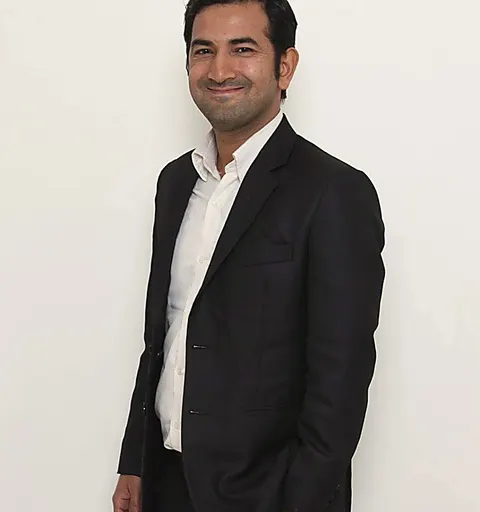
- A registered agent, personally. Keshab Chapagain (MARN 1576536) advises and lodges every matter — accountable, and verifiable on the MARA register.
Frequently asked questions
Is using a registered migration agent worth the cost?
For most people, yes — because the fee is small next to what it protects. Your migration is one of the biggest investments of your life (years of your time, tens of thousands in government and third-party charges, and your family’s future). A registered agent’s job is to get it right the first time so you don’t lose that investment to a refusal. The professional fee is usually a fraction of the total cost, and a much smaller fraction of the opportunity.
Are Australian visa application fees refundable if my visa is refused?
No. Department of Home Affairs visa application charges are generally non-refundable, even if the visa is refused. A refused Subclass 189 forfeits a visa charge of A$6,135 (from 1 July 2026); a refused Student visa (500) forfeits A$2,500 — plus the skills assessment, English tests and time already spent. That is why getting the application right before you lodge matters so much.
Can a migration agent guarantee my visa will be granted?
No — and you should be cautious of anyone who says otherwise. No registered agent can guarantee a visa; the decision rests with the Department of Home Affairs. What a good agent can do is honestly assess your eligibility, prepare the strongest possible application, and tell you if you are not ready — so you invest your money and time only when it is worth it.
What am I actually paying for?
The total cost of migrating is mostly government charges and third-party fees (skills assessment, English tests, health checks) — these usually dwarf the agent’s professional fee. The agent fee buys the thing that protects all of it: the right pathway chosen, the evidence prepared correctly, refusal risks identified before you lodge, and a registered professional accountable for the advice.
General information only, not migration advice, and not financial advice. No migration agent can guarantee a visa outcome — decisions rest with the Department of Home Affairs. Government charges and thresholds change; figures above are indicative. Migration advice for your situation is provided by Keshab Chapagain (MARN 1576536) only after a paid consultation under a written service agreement.