Family & parent visas · Subclass 143
Contributory Parent Visa (Subclass 143)
The 143 is the standard permanent pathway for parents of Australians — permanent residence in exchange for the largest government charge of any Australian visa and a queue currently running roughly 12–14 years. This guide covers what it really costs and when, how the 173 stepping stone splits the payment, and how families keep parents in Australia during the wait.
By Keshab Chapagain, registered migration agent (MARN 1576536) since 2015 · WIDEN, Sydney · Reviewed August 2026
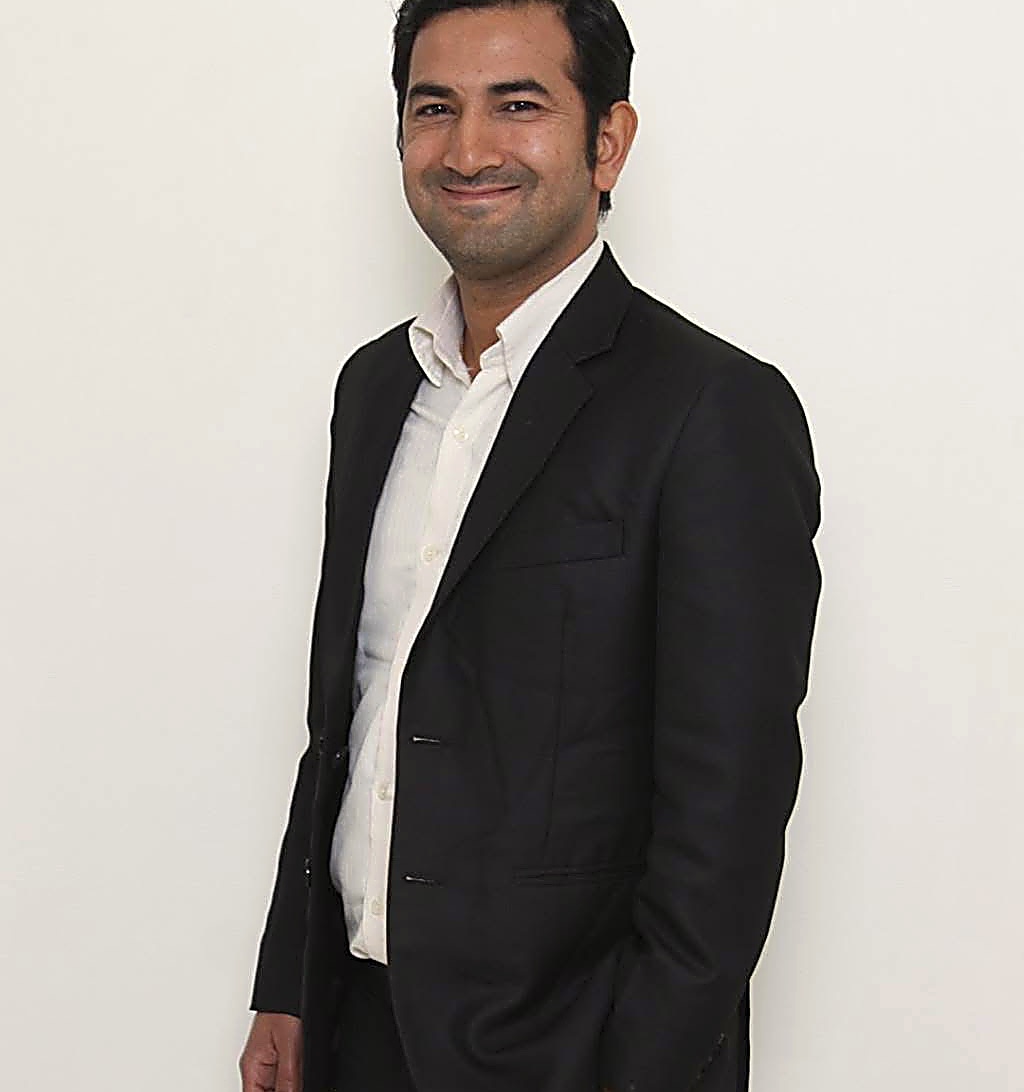 Keshab Chapagain · MARN 1576536 · Registered since 2015
 - Outcome
- Permanent residence
- 1st instalment
- ~$5,000
- 2nd instalment (checked Aug 2026)
- $43,600 · near grant
- Queue
- ~12–14 years
- AoS
- 10 years · bonded
- Key test
- Balance of Family
How the 143 works
The Contributory Parent visa grants permanent residence to a parent of an Australian citizen, permanent resident or eligible New Zealand citizen who is settled in Australia. The core requirements: a sponsoring child (usually) and sponsor eligibility, the Balance of Family test, health and character, and the Assurance of Support near grant. What distinguishes it from the non-contributory 103 is one thing — the contribution — and what the contribution buys is queue position: roughly 12–14 years against roughly 30.
The real cost timeline
- At lodgement: first instalment, around AUD $5,000 per applicant — plus health, police checks and professional fees along the way.
- Near grant (roughly 12–14 years later): the second instalment, AUD $43,600 per primary applicant at current rates — but the figure is indexed, so the amount actually payable is whatever applies at that future date. Budget for growth, not today's number.
- Also near grant: the Assurance of Support bond — AUD $10,000 (single) or $14,000 (couple) at last review, lodged with Centrelink and refundable after 10 years — plus the assurer's income test.
The shape of the liability matters as much as its size: the big payments land at the end of the queue, not the start. Families planning a 143 today are really planning a substantial lump-sum obligation in the second half of the 2030s.
The 173 stepping stone
The Subclass 173 Contributory Parent (Temporary) splits the contribution. It is a two-year temporary visa with a second instalment around AUD $30,000; the holder then applies for the 143 and pays a reduced second instalment, most of the contribution having been paid at the 173 stage. The trade-offs:
- For: the payment is staged rather than a single hit; the parent holds a substantive visa in Australia between stages; the family gets certainty of progress.
- Against: the combined cost across both stages runs somewhat higher than going directly to the 143; two application processes; and the 173 itself is temporary — the 143 stage still has to be completed.
The equivalent pairing for parents 67 and over is the 884 → 864 onshore aged route — same staging logic, lodged in Australia. See the complete guide.
Keeping the family together during the queue
- Visitor visas (Subclass 600) — including longer-validity, multiple-entry options — cover regular extended visits without touching the queued application.
- The Subclass 870 — 3 or 5 years per grant, up to 10 years total — gives long continuous stays; many families run an 870 alongside the queued 143 deliberately. See the 870 guide.
- Parents 67+ can consider switching strategy to the onshore 864, waiting in Australia on a bridging visa rather than offshore.
Two cautions: time spent onshore must respect each visa's conditions (long visitor stays attract genuine-visitor scrutiny), and any change in the family's composition during the queue should be assessed against the Balance of Family test, which is looked at again at decision time.
The Assurance of Support, a decade ahead
The AoS is requested near grant — which means the sponsoring child's future income, not today's, is what must satisfy the income test, and the bond must be available then. The common late complications are foreseeable a decade out: an assurer who has retired or reduced income by the time the request arrives, or family circumstances that changed. Multiple people can act as joint assurers, which is often the practical fix — but it is far better planned early than improvised at the request stage.
143 vs the alternatives, honestly
- vs the 103 (non-contributory): the 103 costs a fraction of the 143 but its ~30-year queue exceeds many applicants' practical lifetimes. It is a place-holding option, not a plan.
- vs the 870 (temporary): the 870 delivers time in Australia within months, with no Balance of Family test — but no permanent residence, no Medicare through PR, and a hard 10-year ceiling. Many families do both: 870 for now, 143 in the queue.
- vs the 864 (aged, onshore): for parents 67+, substantively the 143 with an onshore wait on a bridging visa — often the better structure when the parent can be, and wants to be, in Australia throughout.
Weighing up the 143 for your parents?
Tell us the parents' ages, where all the siblings live, and roughly what the family can fund — a registered migration agent will map the realistic structure (143, 173 staging, 864, or 870 alongside) and what it involves. Free, no obligation.
Ready now? Skip the form. Pick a time and talk to Keshab directly — your documents on the table, a straight answer, and a written summary afterwards. $220 inc. GST, credited toward your fee if you engage.
Pick a time — no enquiry needed →General information only. Government charges (including the indexed second instalment), AoS amounts, income thresholds and processing times change — verify current figures at immi.homeaffairs.gov.au before relying on this page. This page does not constitute migration advice (s 23, Migration (Migration Agents Code of Conduct) Regulations 2021). Outcomes cannot be guaranteed by any registered migration agent (s 15). Migration advice is provided by Keshab Chapagain (MARN 1576536) only after a paid initial consultation under section 43 of the Code, with a written service agreement issued before further work commences (section 42). The OMARA Consumer Guide is provided to all clients before the consultation begins. PI insurance held under the Migration Agents Regulations 2026. Complaints via our Complaints Policy or directly to OMARA.
Questions we get asked first
What does the 143 actually cost?
Two government instalments per primary applicant: a first instalment of AUD $4,040 at lodgement, and a second instalment of AUD $43,600 payable before grant (Home Affairs published amounts, checked August 2026). A couple applying together pays additional charges for the second applicant. On top sit the Assurance of Support bond (AUD $10,000 single / $14,000 couple at last review, refundable after 10 years), health examinations, police checks and any professional fees.
When is the $43,600 second instalment paid?
Not at lodgement — the second instalment is requested when the application approaches grant, which at current processing means roughly 12–14 years after applying. Families should plan for the liability arriving as a lump sum at that future point, at whatever indexed rate then applies, rather than budgeting at today's figure.
How does the 173 stepping stone reduce the upfront hit?
The Subclass 173 is a two-year temporary contributory visa with a second instalment around AUD $30,000. A 173 holder can then apply for the 143 and pay a reduced second instalment, because most of the contribution was already paid at the 173 stage. The total across both stages is somewhat higher than going straight to the 143, but it splits the payment and gets the parent to Australia on a substantive visa in between.
Can the parent be in Australia during the 143 queue?
The 143 queue itself does not put the parent in Australia — but visitor visas (including longer-validity multiple-entry options) and the Subclass 870 can cover extended stays while the application waits. Parents aged 67+ have a further option: the onshore 864 Contributory Aged Parent, lodged in Australia with a bridging visa through processing. Which combination is safest depends on the parent's circumstances and travel history.
What is the Assurance of Support for the 143?
A 10-year legal undertaking — usually given by the sponsoring child — to repay certain social security payments if the parent claims them, secured by a refundable bond (AUD $10,000 single / $14,000 couple at last review) lodged with Centrelink, plus an income test the assurer must meet. The AoS is requested near grant, alongside the second instalment; assurer income problems at that stage are a common late complication worth planning for a decade ahead.
Is the 143 worth it compared to the alternatives?
It is the standard answer when three things are true: the parent passes the Balance of Family test, the family can absorb the second instalment when it falls due, and permanent residence — Medicare access, unlimited stay, eventual citizenship eligibility — is the actual goal. Where any of the three fails, the honest alternatives are the 870 (temporary, no Balance of Family test) or, for parents 67+, the onshore 864 route. No agent can make the queue shorter; the value of advice is picking the right structure once.
Keep reading