Employers · Small business
Can a Small Business Sponsor a Worker?
Yes. There is no minimum number of employees or turnover to become a sponsor. What the Department tests is whether the business is real and trading, whether the role is genuine and on the occupation list, and whether the business can pay at least the salary floor and the market rate. Small businesses fail on the last two more than anything else, and both can be checked before a dollar is spent.
By Keshab Chapagain, registered migration agent (MARN 1576536) since 2015 · WIDEN, Sydney · Reviewed October 2026
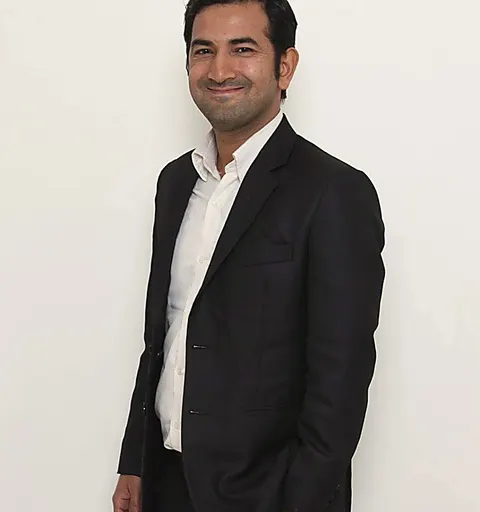 Keshab Chapagain · MARN 1576536 · Registered since 2015
 - Minimum staff
- None
- Salary floor
- A$79,423 + super
- Most common refusal
- Position not genuine
The migration agent that other migration agents learn from. WIDEN is an OMARA-approved CPD provider — our training is rated ★4.8 by 40+ registered migration agents.
About the CPD →MARN 1576536
Small business owners: check the three questions before you spend anything.
In the extended consultation I test your business, the role and the salary against what the Department will look for, and tell you plainly whether sponsorship will work. If it will, you get a fixed quote; if it will not, you hear that before paying any government fee.
What it costs. $550 inc. GST for 60 minutes by video with Keshab Chapagain (MARN 1576536), credited in full against our professional fee if you engage WIDEN. Advice confirmed in writing after the call. There is no free consultation or free assessment.
What the Department tests
- The business is lawfully operating: an ABN, registration, a trading history (bank statements, BAS, a lease, contracts with customers), and no adverse information against it or its owners.
- The role is in an occupation on the relevant list, the duties genuinely match that occupation, and the business has a real need for it.
- The pay is at least the Core Skills Income Threshold, A$79,423 a year plus superannuation, and at least what an Australian in the same role would earn.
- The advertising (labour market testing) ran for at least 28 days in the four months before nomination.
The salary question
The salary floor is the single biggest obstacle for small sponsors in trades and hospitality, where award wages for some roles sit below A$79,423. The floor cannot be met with overtime that is not guaranteed, allowances that are not paid in money, or a promise to raise pay later. If the role cannot pay it, the 482 is not available for it, whatever the occupation list says, and it is better to know that before advertising.
Genuine position
The Department asks whether the business genuinely needs this role, at this level, now. A five-person business nominating a manager with no one to manage, a café nominating a chef when the menu is prepared off-site, or a business creating a role that exists only for the candidate, will be refused. The nomination should explain the need in the business's own terms: workload, growth, a vacancy that could not be filled, with evidence. See the genuine position statement guide.
Cost
Government charges: sponsorship A$420, nomination A$330, and the Skilling Australians Fund levy of A$1,200 a year of nomination for a business turning over less than A$10m. A four-year nomination therefore carries A$4,800 of levy, payable upfront. None of it can be recovered from the worker. Professional fees are on top, and the worker pays (or the employer may pay) the A$4,015 visa charge.
When sponsorship is the wrong tool
- The occupation is not on the list (most labouring, cleaning, support-work and retail roles).
- The role cannot pay the salary floor.
- The candidate does not yet have the qualification or experience the occupation needs.
- A regional business may have a better route through a DAMA or the 494.
General information only, current at October 2026; not advice on your own case. Outcomes depend on the Department’s assessment of each application; no registered migration agent can guarantee a result (Code of Conduct, Migration Agents Regulations). Keshab Chapagain, MARN 1576536.
Not sure which visa fits you?
Answer three questions. An automated guide points you to the route that usually applies. General information only.
Check your case
Tell Keshab your situation. He reads it personally and replies within a business day with which route fits you and whether a consultation is worth your money. Not an assessment of your file, no advice on it, no obligation.
How this works: Keshab reads every case check himself and replies personally, usually within a business day: which route fits, what it turns on, and whether a consultation is worth your money. If it is, he offers you a time; if it is not, he says so.
Ready now? Skip the form. Pick a time and talk to Keshab directly — your documents on the table, a straight answer, and a written summary afterwards. $330 inc. GST, credited toward your fee if you engage.
Pick a time — no enquiry needed →Questions we get asked first
Is there a minimum business size to sponsor a worker?
No minimum staff numbers or turnover. The business must be lawfully operating and able to show it, and the role must be genuine and paid at least the threshold.
Can a new business sponsor?
Yes, a business trading for less than 12 months can apply, but it must show it is operating and has a genuine need for the role; the evidence bar is higher.
Can we pay the worker less than A$79,423 if the award is lower?
No. The salary must meet the Core Skills Income Threshold as well as the market rate. If it cannot, the 482 is not available for that role.
How much does it cost a small business to sponsor?
Government charges of A$420 for sponsorship, A$330 for the nomination and A$1,200 a year of SAF levy, plus professional fees. The employer cannot pass these on to the worker.
What happens if the nomination is refused?
The fees are not refunded. The business can seek review in some cases or lodge again with better evidence, which is why the genuineness and salary questions are worth settling first.
Keep reading